

 Updated : December 26, 2025
Have you ever wondered how businesses manage to keep their phone numbers private while still providing excellent customer service?
The answer lies in a technique called phone number masking. It’s a powerful tool that allows businesses to protect their sensitive information and improve their customer interactions.
This comprehensive guide will walk you through everything you need to know about phone number masking, from its definition to its benefits and setup process.
What Is Phone Number Masking?
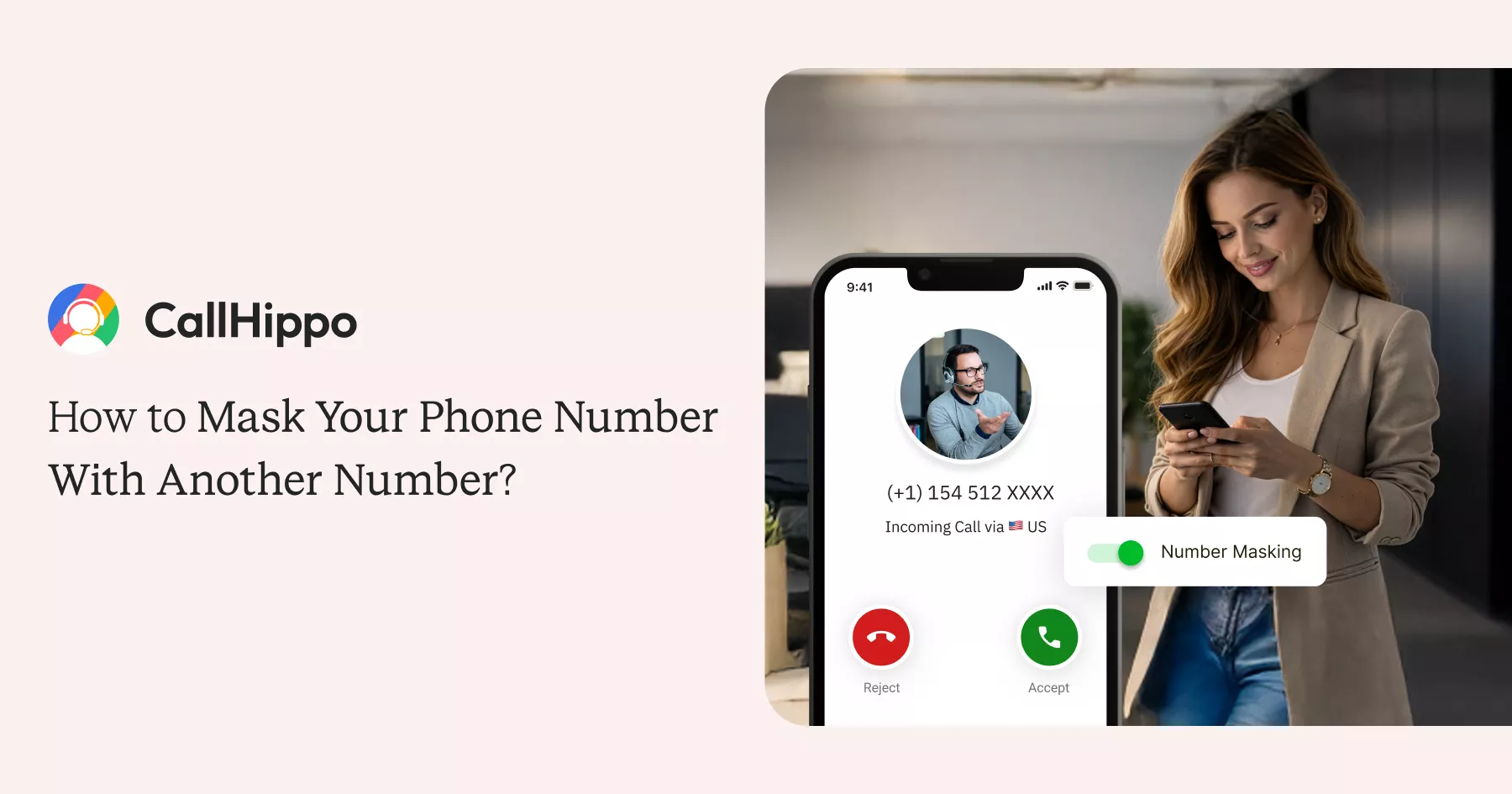
Phone number masking is a way to hide your phone number when making calls or sending messages. The personal number is not shown; instead, a temporary or virtual number is used. You can mask your number using a local number with a familiar area code or a toll-free option for your business.
The benefit of phone number masking service is that your real number always stays protected. And the phone calls you make still go through without any disruption. You remain informed about who sees your contact details and when.
For Example:
- Whenever you order food online, the delivery partner can call you if they need to But they would never see your actual phone number. In this, both sides stay connected, and privacy stays protected.
How Does Number Masking Work?
Whenever someone calls you, the system quietly steps in and acts as a secure middle layer. It assigns a temporary number to both sides, which appears on the screen instead of the real one. As a result, the call connects like any normal call. The conversation feels natural, yet personal phone numbers remain private throughout.
At the center of this setup are a few simple features:
- User Dials a Masked Number
- Virtual Number Call routing helps the call reach the right person.
- Call masking hides the real numbers of both the parties.
- Caller ID protection adds one more layer of privacy during the call.
During the conversation, everything works as usual. Once the call ends, the temporary connection closes. The masked number stops working, and no personal details are left exposed.
For example, a support agent calls a customer to resolve an issue. Both can speak freely, but neither sees the other’s real number.

Pro-Tip
Use number masking with call routing for better connect rates.
If masked calls are not answered, show a local number instead of “Unknown”. Customers feel more comfortable answering familiar numbers.
How to Mask Your Phone Number?(Best Ways to Stay Private)
There are some easy ways to hide your phone number while calls continue as usual. You just need to know which option fits your situation.
1. Mask Your Phone Number Using Built-in Phone Settings (iPhone & Android)
In most smartphones, you can hide your phone number right from the phone settings. It is useful when you want privacy without installing any extra apps.
A. How to Mask Your Phone Number on iPhone
- Step 1: Open the Settings app on your iPhone.
- Step 2: Scroll down to the bottom and tap on Apps.
- Step 3: In it, go to Phone.
- Step 4: There, in the Calls section, select Show My Caller ID.
- Step 5: Turn the toggle off to hide your number.
B. How to Mask Your Phone Number on Android
For Android, the steps can vary a little based on the brand you use, but the steps remain around the same idea.
- Step 1: Go to the Settings app on your phone.
- Step 2: Then search for Additional Settings or Caller ID.
- Step 3: In it, choose the option – Hide number. This would keep your phone number private on outgoing calls.
2. Mask Your Phone Number Using Dialing Codes
If you only want to hide your number for one call, dialing codes are an easy fix. You just add a short code before the number you are calling. That small step tells the network not to show your caller ID for that call.
The most usual code in the US and Canada is *67. Other countries may use different codes, so it can change based on your location. And after you add the code, the call connects like it normally would. The person receiving the call sees a private or unknown number instead.
This option works well when privacy is needed once in a while. It does not apply to all calls, though. You also have to enter the code every time you want your number hidden.
3. Mask Your Number With Another Number (Virtual Numbers)
For businesses looking for how to make private call, virtual numbers are one of the most reliable options. Instead of using personal numbers, teams communicate through a separate business number. This keeps both employee and customer numbers private at all times.
CallHippo is one of the top business phone systems that helps teams call customers without sharing personal numbers. Let’s understand the steps of how to disguise your phone number on CallHippo.
- Step 1: Open an account on CallHippo or log in to the dashboard (if you already have one).
- Step 2: Open Settings on the side panel.
- Step 2: Go to Access Controls.
- Step 3: Click on Agent Access Control.
- Step 4: There you will see an option to enable Hide Customer’s Number.
- Step 5: Select the roles or users you want to apply it to.
- Step 6: Click Apply to save the changes.
Once this is done, all calls made by selected users will show masked numbers. Real phone numbers stay hidden and calls continue as usual.
Features to Look for in a Call Masking Solution
The right number masking solution can make your business communication safer and more efficient. Here are the key features that help protect privacy and keep your customers connected without exposing real numbers.
1. Dynamic Caller ID Selection
This lets you choose which number shows up when you call someone. It works well for businesses that have multiple lines or regions. You can pick local or toll-free IDs to improve trust. This flexibility keeps your communication consistent and protects the real numbers behind the scenes.
2. CRM Integration
A good call masking solution connects with your CRM. This means calls, contacts, and call data sync automatically. Teams spend less time switching apps and more time helping customers. It also helps keep customer history in one place, which improves follow-ups and service quality.
3. SMS/MMS Masking
Masking is not just for voice calls. SMS and MMS masking hide phone numbers in text messages too. Customers get alerts or messages without seeing your real line. This builds privacy and keeps brand interactions consistent, especially for verification and support messages.
4. Multiple Number Profiles
This lets users manage different masked numbers for different purposes. You can assign profiles for sales, support, or regional branches. It helps keep communication organized. Each team can have its own number while real numbers stay private and secure.
5. Call Recording and Analytics
When you track call performance, it improves the overall service quality. Built-in call recording and analytics give insights into call duration, volume, and trends. This information helps managers make smarter decisions and train teams better, all while keeping customer data private.
6. Expiration Settings for Temporary Numbers
Temporary numbers are useful for short-term use cases like delivery or one-time support calls. Expiration settings automatically deactivate these numbers after a set time. This keeps your system tidy and ensures privacy stays strong without manual cleanup.
Business Benefits and Risks of Phone Number Masking
Businesses do benefit from number masking, but there are also some risks associated with it that you should consider:
Key Benefits for Businesses
1. Protect Employee Privacy and Security
Phone number masking keeps employee numbers hidden during business calls. This is helpful, especially for sales and support teams who speak with customers daily. It also reduces personal exposure and lowers the risk of follow-up calls outside work hours. Employees feel safer and more comfortable during their jobs.
2. Higher Customer Engagement
Masked phone numbers allow customers to communicate easily with businesses without sacrificing their privacy.
This not only encourages customer trust but also fosters more engagement. When customers feel their privacy is respected, they are more likely to interact with your business.
3. Secure Third-Party Interactions
There are many businesses that work with delivery partners, vendors, or freelancers. Masking helps keep internal and customer numbers private during these interactions. Calls happen smoothly, but personal details stay protected. This reduces data leaks and builds trust across short-term or external collaborations.
4. Reduce Spam and Unwanted Calls
Using masked or virtual numbers helps prevent spam calls after an interaction ends. Since real numbers are never shared, customers and employees are less likely to receive unwanted follow-ups. However, businesses should manage number usage carefully to avoid calls being marked as unknown or ignored.
5. Improved Communication
Number masking makes it easier for businesses and customers to communicate effectively. It gives businesses a distinct contact number so they can keep up a professional appearance.
This guarantees that client calls are immediately returned and routed to the proper division or agent. Customers thus benefit from shorter wait times, precise information, and seamless communication.
6. Call Analytics and Tracking
Masked numbers enable businesses to gather data on call volumes, durations, and customer interactions. With these insights, companies can analyze customer behavior, optimize services, and refine marketing strategies.
By using call tracking through masked numbers, businesses can better understand their audience and make data-driven decisions to improve overall performance.
Potential Risks to Consider
1. Some people don’t pick up private calls
Some people avoid answering calls when they are from a private or an unknown number. This can affect connect rates in certain situations. Also, not all carriers fully support masking features. Because of this, availability and call behavior may vary by region or network.
Best Practices for Implementing Phone Number Masking in Your Business
Phone number masking works best when it is planned with care and used consistently across your team.
1. Choose the Right Masking Solution
Start by understanding how your team calls customers each day. Some teams need local numbers, while others need global reach. Choose a solution that supports both privacy and scale. It should work across regions and follow local calling rules. This keeps communication smooth and compliant.
2. Train Your Team on Masked Numbers
Masked calls feel normal, but still teams need some clarity. Explain how masked numbers appear on calls or messages. Show when to use them and when not to. When people understand the setup, mistakes reduce. This also builds confidence during customer conversations.
3. Monitor Call Analytics
Once masking is active, keep an eye on call data. Track call volumes, answer rates, and missed calls. These insights show what is working and what needs change. Over time, this helps improve response quality and calling habits without exposing personal numbers.
4. Set Clear Privacy Policies
Privacy should be clear for both teams and customers. Define how numbers are masked and stored. Share when calls are recorded and why. Clear policies build trust and keep everyone aligned. Plus, they help meet regional privacy expectations and business standards.
How Do Different Types of Businesses Leverage Call Masking?
When it comes down to businesses asking “how to mask your phone number” and the ones seeking the answer for them, the list can be a long one. Some of the most common ones are written below. Let’s take a look at them!
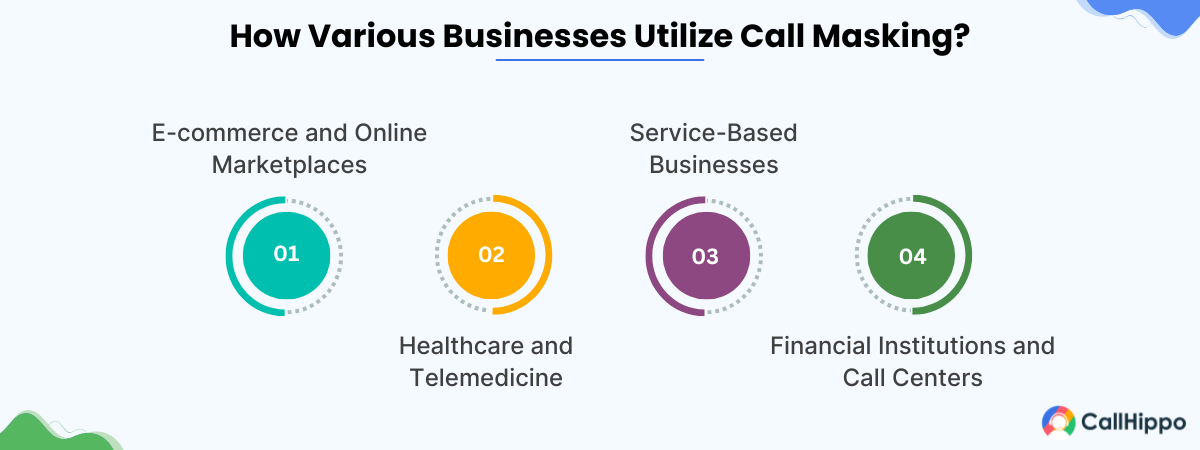
1. E-commerce and Online Marketplaces
In e-commerce and online marketplaces, call masking is essential for protecting both buyers and sellers.
Platforms like Amazon, eBay, and Uber use this technology to facilitate communication without exposing personal phone numbers. This prevents misuse, spam calls, and unwanted contact post-transaction.
- Protects buyer-seller privacy
- Enhances trust in the platform
- Reduces risks of fraudulent interactions
For instance, a study by Statista found that e-commerce sales exceed $4.1 trillion in 2024, making customer privacy protection increasingly critical for such platforms.
2. Healthcare and Telemedicine
Call number masking is pivotal in healthcare and telemedicine to protect patient-doctor confidentiality.
It ensures sensitive medical information shared during consultations remains private. With the rise of virtual healthcare, patient trust in the system is key to delivering quality care.
- Secures patient-doctor conversations
- Complies with privacy regulations (e.g., HIPAA)
- Prevents misuse of contact information
As virtual consultations rise, healthcare providers must prioritize number masking to maintain trust and legal compliance in safeguarding patient data.
3. Service-Based Businesses
For service-based businesses like ride-sharing, delivery services, and home maintenance, phone masking ensures smooth communication between providers and customers without exposing personal numbers.
Apps like Uber and DoorDash use masked numbers to facilitate coordination while protecting user privacy.
- Ensures customer and provider safety
- Reduces post-service communication issues
- Boosts trust in service apps
Customers and service providers can interact seamlessly, knowing their privacy is protected, leading to better user satisfaction and higher retention rates.
4. Financial Institutions and Call Centers
Financial institutions and call centers handle highly sensitive customer data, making call masking a crucial security feature.
By masking numbers, banks, credit unions, and insurance companies protect clients from fraud, identity theft, and unsolicited follow-up calls.
- Protects financial details during transactions
- Prevents data breaches and fraud
- Enhances customer trust in the institution
Financial services handling millions of calls monthly benefit from number masking, ensuring customer confidence and compliance with data privacy laws like GDPR or CCPA.
The Best Phone Masking Solution for Your Business – CallHippo
Many businesses hesitate before sharing phone numbers with customers. Sales teams make dozens of calls each day. Support agents speak with new people all the time. CallHippo helps in these moments by keeping personal numbers out of the conversation while calls continue as usual.
Getting started is simple. You choose a virtual number that fits your business. It can be a local number for a familiar presence or a toll-free number for wider reach. Calls then pass through the platform. Both sides only see the business number and not the real one.
As calls come in, CallHippo routes them to the right person. Teams can set rules based on time or role. Everything runs from one dashboard, as you can see in the steps given above. Call details are logged, so nothing is lost.
CallHippo supports businesses across different regions and industries. It follows local calling norms while keeping privacy intact. If you want a phone masking setup that feels clear and dependable, CallHippo fits well into daily workflows.
Quick Tip:
Toll-free numbers may not work when calling from outside the United States or they may incur charges. So, check with your provider first before dialing these special numbers.

Mask Numbers,Route Calls, Protect Privacy.
Use CallHippo’s virtual numbers, smart call routing, and caller ID masking to protect real phone numbers across sales and support teams.
bottom circle
Conclusion
Phone number masking is an invaluable tool for any business that handles large volumes of customer interactions.
Whether you run an e-commerce platform, a healthcare facility, or a service-based business, phone number masking ensures secure, efficient, and cost-effective communication.
By implementing this technology, businesses can protect their customers’ privacy, build trust, and ultimately drive engagement.
FAQs
1. What does it mean to mask my phone number?
It means your real phone number stays hidden during a call or message. A different number shows instead. Although the conversation happens normally, but your personal number is not shared.
2. Why would someone mask their phone number?
People or businesses mask their phone numbers to protect personal information, maintain privacy, and ensure secure communication, especially when dealing with customers or third-party providers.
3. What is the difference between a masked number and a virtual number?
A masked number temporarily hides the real number for privacy purposes, while a virtual number is a permanent number used for routing calls or texts.
4. What does it mean to mask my phone number?
Yes, you can. Calls come to the masked or virtual number and then reach you. The caller never sees your real number.
5. Is it legal to mask my number in the US, UK, or other countries?
In most countries, it is legal when you use it for privacy and business purposes. However, rules can vary by region. It is always important to follow local telecom and data privacy laws.
6. What apps can I use to mask my phone number?
You can use virtual phone number apps and business calling platforms. These tools provide temporary or business numbers. They help keep real numbers private during calls and messages.
7. How do businesses use phone number masking?
Businesses generally use it to protect employee and customer numbers. It is common in sales, support, and delivery calls. This helps maintain privacy and avoids unwanted follow-up calls.
8. Can I mask my number when texting too?
Yes, many tools support SMS and MMS masking. Messages are sent from a masked number. Your real phone number stays hidden during the conversation.
9. What’s the difference between number masking and call forwarding?
The number masking feature hides the real phone number. On the other hand, call forwarding only redirects the call to another number. The difference is that with forwarding, the real number can still be visible.
Explore this content with AI:
Published : December 26, 2025
Anant Berge is a B2B SaaS content writer who creates engaging, user-focused, and SEO-driven content for tech businesses. With a knack for simplifying complex ideas and a passion for storytelling, Anant crafts narratives that help brands connect with their audience through blogs and website content.

Let’s Stay in Touch
Subscribe to our newsletter & never miss our latest news and promotions.
 +24K people have already subscribed
Source