


 Updated : December 12, 2025
There is often confusion between customer service vs. customer support. Despite these subtle distinctions, both seek to optimize the value that consumers receive from a good or service. But their purposes and means of support are different.
Organizations need to understand these distinctions to allocate staff departments, distribute resources efficiently, and improve customer satisfaction. The differences between the customer service team and the customer support team are discussed in this article, along with tips to improve the customer experience.
What is the Customer Service?
Customer service is everything a business does to guide customers before and after they buy something. It focuses on helping people understand the product, provide support and instill belief in them during the entire customer lifecycle.
This is not a technical aspect. Instead, it is more about communication, clarity and trust. You help customers solve everyday questions and also offer them guidance when they feel they are not sure about something or need quick information. To manage such non-technical interactions, many modern businesses rely on virtual call center software to keep communication flowing smoothly across all channels.
People genuinely feel cared about when customer service works well. They stay loyal to you and even recommend your brand to others.
Key Responsibilities of Customer Service
Customer service teams look after many simple yet important activities. These tasks keep customers informed and make their journey better throughout.
A. Onboarding New Customers:
This is where the relationship starts. The job here is to guide customers through the first steps. You help them understand how to use the product or a service in the correct way.
B. Handling Non-Technical Inquiries:
Sometimes customers just want some answers to their simple questions. Customer service helps them get quick and clear solutions to such queries. Good customer service means addressing customer inquiries efficiently and with empathy.
C. Collecting Feedback and Reviews:
Feedback helps a business grow. You ask customers what they liked and what they did not. Their response helps your team improve the overall experience. Also, it shows customers that their opinions matter and that you are willing to act on them.
D. Answering Social Media or Billing Questions:
Many customers reach out on social platforms where they post questions or share concerns. Customer service responds to them and keeps communication open, and also handles basic billing queries like invoices or payment confirmations.
E. Recommending Better Tools or Upselling:
As you talk to customers, you actually understand a lot about what their real needs are. Then, accordingly you suggest better tools or add-ons that can improve their workflow. The goal is to help them do more without feeling pressured.

Pro-Tip
Keep a shared knowledge base for your customer service team. It helps everyone give the accurate answer and it also reduces any confusion in the minds of customers.
When Do Customers Typically Need Customer Service?
Customers generally reach out to you when they want clarity about something. These moments matter because the right answer helps them move ahead with confidence.
A. Questions About Usage:
One common question customers ask is about how a particular feature works. They want guidance before they try something new. Customer service helps them move from confusion to clarity.
B. Pre-Purchase Doubts:
Some customers like your product but still need reassurance. They ask about plans or benefits. A helpful conversation here can shape their decision and build early trust.
C. Payment or Renewal Queries:
Customers also reach out when they cannot find a billing detail. This is where they might get anxious also. Quick answers reduce stress and help them feel secure about the next step.
What Is Customer Support?
Customer support is the part of your business that helps customers solve technical problems. Customer support focuses on fixing issues that stop the product from working the way it should.
This is different from customer service because here you need to have deeper product knowledge. You actually look into errors, check system behaviour, and guide customers through steps that restore the product back to normal.
When customer support works well, customers feel safe even when something goes wrong. They feel assured. They know that they can rely on your team to fix the issue and help them get back on track.
Key Responsibilities of Customer Support
The role of the customer support team comes with important responsibilities. They handle tasks that keep the product functional. These activities solve technical problems and make sure customers can use the product without interruptions.
A. Troubleshooting Technical Issues:
Customers often face errors they cannot solve on their own. Support checks the cause and guides them to the right fix. Here, clear explanations reduce frustration and make customers feel supported.
B. Guiding Installations or Product Setup:
In some tools, a proper setup is required. Customers may not know where they are supposed to start. Support guides customers step by step and helps them avoid mistakes.
C. Resolving Bugs, Glitches and Malfunctions:
Products can behave unexpectedly at times. A feature might not land or a button may stop responding. Customer support checks such issues and shares the right solution. This gives customers relief and shows that their problem is being taken seriously.
D. Creating Technical Documentation or Guides:
Support teams turn product knowledge into simple guides. These help customers solve common issues on their own and reduce repeated questions for the team.
Boost Support Experience With CallHippo
- AI Voice Agent
- Voicemail Transcription
- Smart Routing
- Multi-Level IVR

When Do Customers Need Customer Support?
Customers usually reach out to support when the product is not working as expected. In these moments, they want quick action because this directly affects the user experience. Many customers contact customer support when they encounter unexpected errors.
A. Error Messages:
Now, an error message can confuse anyone. Customers want to know what went wrong and what they should do next. Support teams step in and explain the cause in simple words.
B. Hardware or Software Issues:
Customers often struggle to identify whether the issue is with the device or the software. Support checks both and guides them to the right solution.
C. API or Integration Failures:
Integrations can stop working without warning. A connection may fail or an API key may break. Support helps restore the link so customers can continue their work without delays.
Quick Insight
Customers judge the quality of support by how calm and understood they feel during an issue. Clear communication often matters as much as the actual fix.
Customer Service vs Customer Support: Key Differences
Customer service and customer support do sound a little similar, but the needs they serve are quite different. When you understand the difference between customer service and customer support, you can support customers at the right moment and with the right approach.
The difference between customer support and customer service is that customer service guides customers through everyday use, while customer support fixes technical problems that interrupt the product experience.
This clarity also helps teams work better together, especially when people search for customer service vs customer support to understand who handles what.
| Aspect | Customer Service | Customer Support |
|---|---|---|
| Core Focus | Helps customers with general questions and guides them through everyday use. Focuses on clarity and comfort. | Solves technical issues that stop customers from using the product. Focuses on fixing the root cause. |
| Main Purpose | Builds trust and ensures customers feel supported before and after purchase. | Restores product functionality and helps customers get back to normal use quickly. |
| Work Approach | More conversational and relationship-driven. Answers simple questions and offers guidance. | More analytical and step-by-step. Checks errors, tests solutions, and explains the fix. |
| Key Skills | Patience, communication, and understanding customer needs. Helps customers feel heard. | Technical knowledge, problem-solving, and logical thinking. Helps customers feel safe during an issue. |
| Technical Expertise | Low technical depth. Focuses on usage and general guidance. | High technical depth. Handles bugs, errors, integrations, and system behaviour. |
| Issue Response | Responds to non-technical queries like billing, usage, or general support. | Responds to technical failures like API issues, glitches, or installation problems. |
| Role Scope | Works across multiple stages of the customer journey. Plays a key role in retention. | Works when the product breaks or behaves unexpectedly. Plays a key role in reliability. |
The Business Value of Customer Service and Support
Great customer service and customer support do more than just solve problems. They shape how customers feel about your brand. When both teams work well, your customers trust you more and stay with you longer. This creates real business growth without extra effort.
Benefits of Customer Service
Customer service adds value from the very first interaction. It helps customers feel supported and understood. Let’s see how it creates impact.
A. Better Customer Experience:
Good conversations make customers feel comfortable because they get quick answers and move ahead without confusion. These small moments shape a positive experience across the entire journey.
B. Higher Loyalty:
When customers feel cared for, they stay with your brand. Trust grows with every helpful interaction, and over time, they stop looking for alternatives.
C. Stronger Relationships:
Frequent, thoughtful interactions help build a friendly bond. With time, customers start feeling connected to your brand and trust the people behind it.
D. Lower Churn:
Customers rarely leave when they get clear help at the right time because guidance reduces frustration and keeps them interested. Effective customer retention strategies rely on quality service interactions.
E. More Upsell Opportunities:
Regular conversations reveal what customers truly need. When you suggest the right solution at the right time, it feels helpful and never forced.
F. Better Brand Reputation:
It is a norm that good conversations always spread fast. People share their positive experiences with others. This builds a strong reputation and brings more trust toward your brand.
Benefits of Customer Support
Customer support adds value as it keeps the product working the way customers expect it to. It protects their experience during tough moments. Excellent customer support is essential for maintaining product reliability. Let’s see how it crafts customer experience.
A. Faster Issue Resolution:
When customers get quick help, they feel relieved. They get an assurance of someone being present to guide them and fix the issue. This builds trust because they know they are not facing the problem alone.
B. Smoother Product Usage:
A resolved issue means customers can get back to their tasks without stress. They feel the product is stable and dependable, which creates a seamless customer experience every time they use it.
C. Fewer Escalations:
Small issues can grow if they are not handled on time. Quick support keeps things under control the chance of any escalation is also avoided.
D. Improved Product Stability:
Support teams notice patterns in the problems customers report. They share these insights with the product teams and this leads to stronger updates and a much more stable product.
E. Higher Customer Satisfaction:
A clear fix always leaves customers happy as they feel supported during a difficult moment. This satisfaction stays with them and strengthens their belief in your brand. Ensuring customer satisfaction should be the goal of every support interaction.
F. Scalable Technical Support:
Support teams create guides and solutions that help many customers at once. They make your support system strong enough to handle more users as you grow.
Quick Fact:
86% of customers say they feel more loyal to a brand when they have an emotional connection with a customer service or support agent.
Strategies for providing excellent customer support and service
Although AI can help clients discover the answers they need fast through chatbots and knowledge libraries, excellent customer service goes beyond individual efficiencies. The following are some insightful pointers for delivering great customer service and support:
1. Provide the Teams With The Necessary Equipment
Choose hardware or software that improves the team’s capacity to deliver the greatest experience. For instance, a service that enables screen sharing or customer interactions with the customer’s screen can be necessary for a customer care staff that works with complex software. A user database can also assist employees in effectively managing information and resolving problems.
2. Hire for Key Qualities And Skills
Roles involving clients call for specific traits. When hiring, make sure the customer support agent has qualities like emotional intelligence, empathy, patience, and troubleshooting skills.
3. Engage In Active Listening
Teach your employees to listen intently when you receive feedback from customers. Customers will see this as a sign that their experience is appreciated and that operations for support and service may be improved based on their comments.
4. Offer Proactive Assistance
Analyze and resolve consumer inquiries and obstacles by leveraging data and analytics. To ensure customer loyalty, provide them with timely messages about known concerns, contextual tooltips, and simple onboarding.
With this proactive strategy, the emphasis is shifted from reaction to prevention, enabling consumers to either completely avoid or address minor concerns on their own.
5. Invest in Training and Quality Assurance
Excellent service begins with a competent team. Invest in quality control and specialized instruction to help your team become more adept at handling challenging inquiries. Employers should select candidates based on specific needs to enhance existing employees and provide superior customer service.
6. Pay Attention to Client Feedback
Understanding what customers have to say is essential to providing exceptional service. Gather input from customers via surveys, reviews, and other channels using the Voice of the Customer (VoC).
By examining this input, customer support agents can better understand your customers’ objectives, demands, and problems and adjust support and services as necessary.
7. Promote Self-Service By Customers
Give consumers the opportunity to research issues on their own by utilizing chatbots driven by AI and combined with an extensive knowledge library.
Chatbots can respond to user inquiries by providing pertinent data from the knowledge base, have a conversational response, and, if required, escalate to a human representative.
How Call Center Tools Enhance Customer Support and Service Efficiency?
Call center tools remove any unnecessary steps and help your team focus on the actual conversation. So when your tools work well, your service and support teams stay confident. This is where CallHippo stands out. It removes unnecessary steps and helps your team focus on real conversations.
1. Faster Issue Resolution With Call Routing
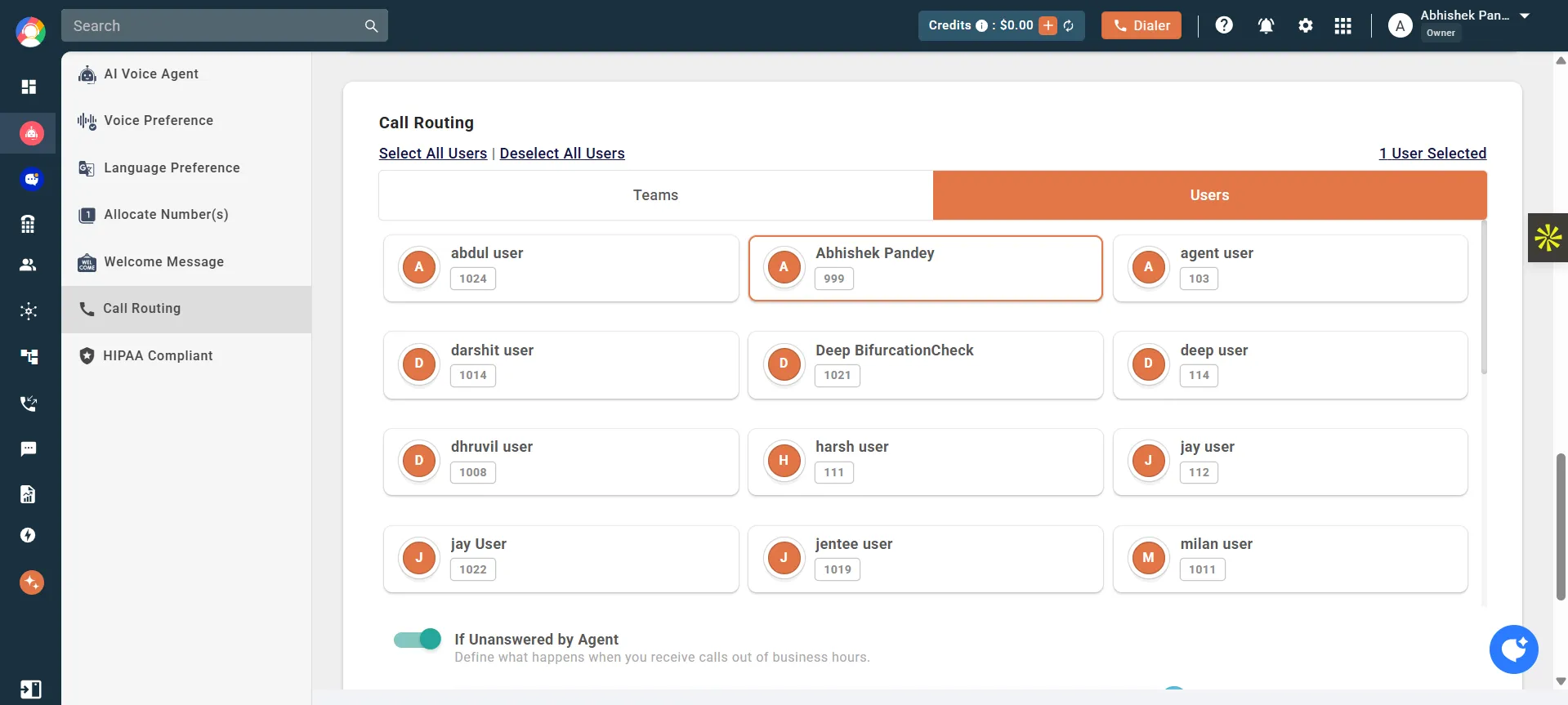
Call routing sends customers to the right team from the beginning. This saves time for everyone and reduces the chances of customers repeating their issue. With CallHippo routing in place, your team also gets a clear picture of what the customer needs. As a result, the problem gets resolved faster with less effort.
2. Personalized Service Using Call Notes and Tags
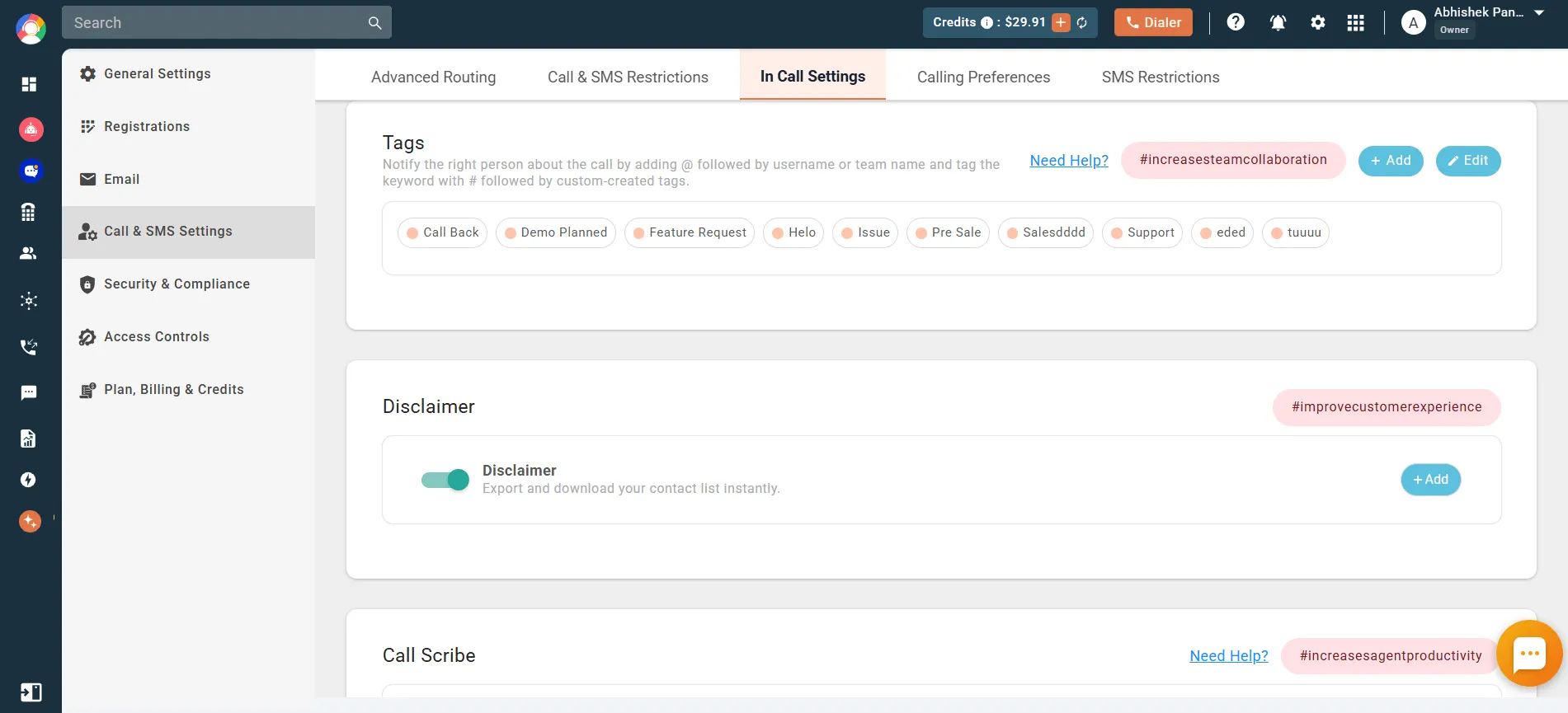
Remembering past conversations becomes easy with call notes and tags. Agents can quickly see customer history and key concerns. CallHippo makes this context instantly available during every call. This adds a personal touch and helps customers feel understood from the start.
3. Efficient Technical Support With Multi-Level IVR
Sometimes customers only need a quick direction before reaching an agent. A multi-level IVR helps route them correctly through simple steps. CallHippo filters basic queries early so support teams can focus on complex issues. This keeps the experience smooth even during peak hours.
4. Seamless Ticket Management Through CRM Integrations
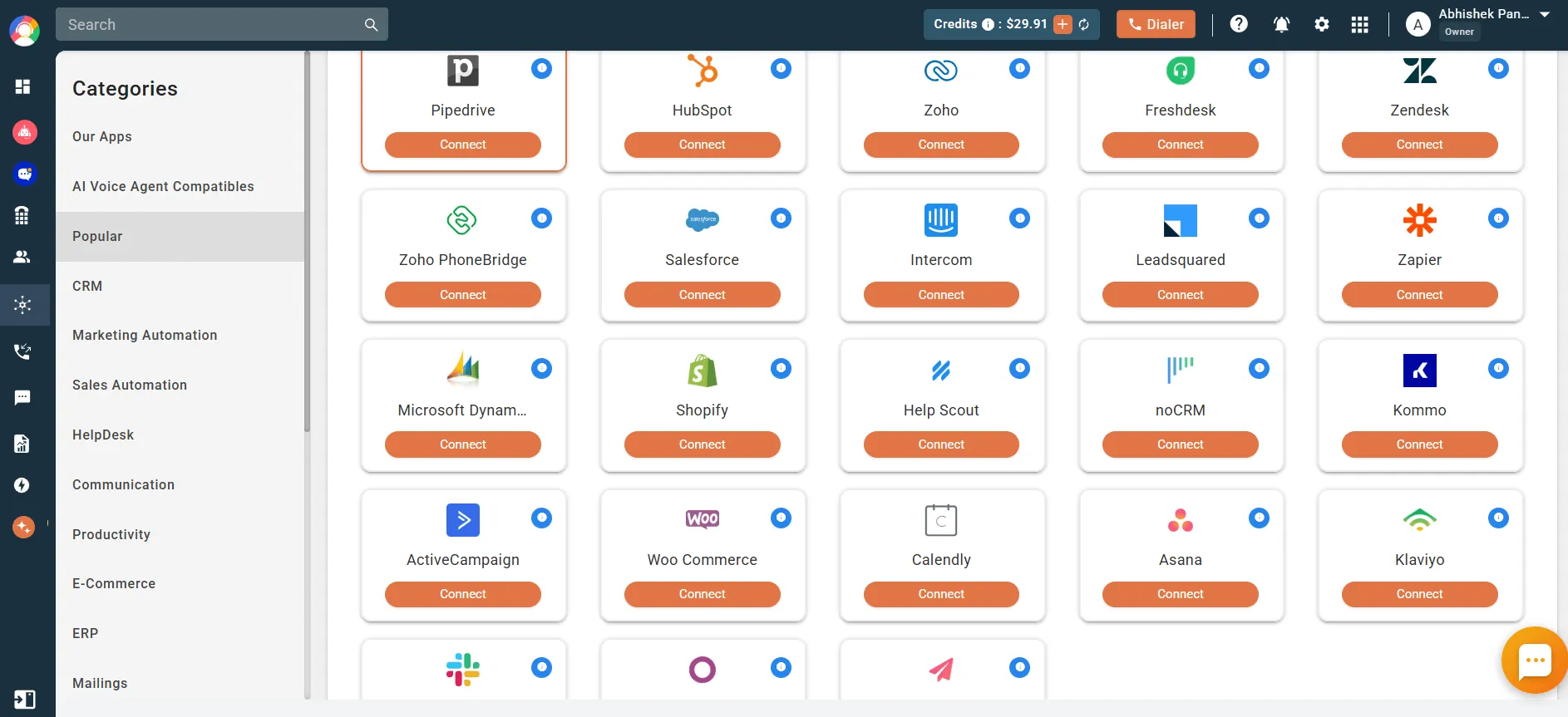
One of the biggest advantages of CRM integrations is the way they organise your support flow. With CallHippo, agents can view past issues in one place, which reduces repeated questions and helps customers get quicker answers. Customer relationship management systems help teams stay organized and responsive.
5. Managing High-Volume Calls With Queues and Live Monitoring
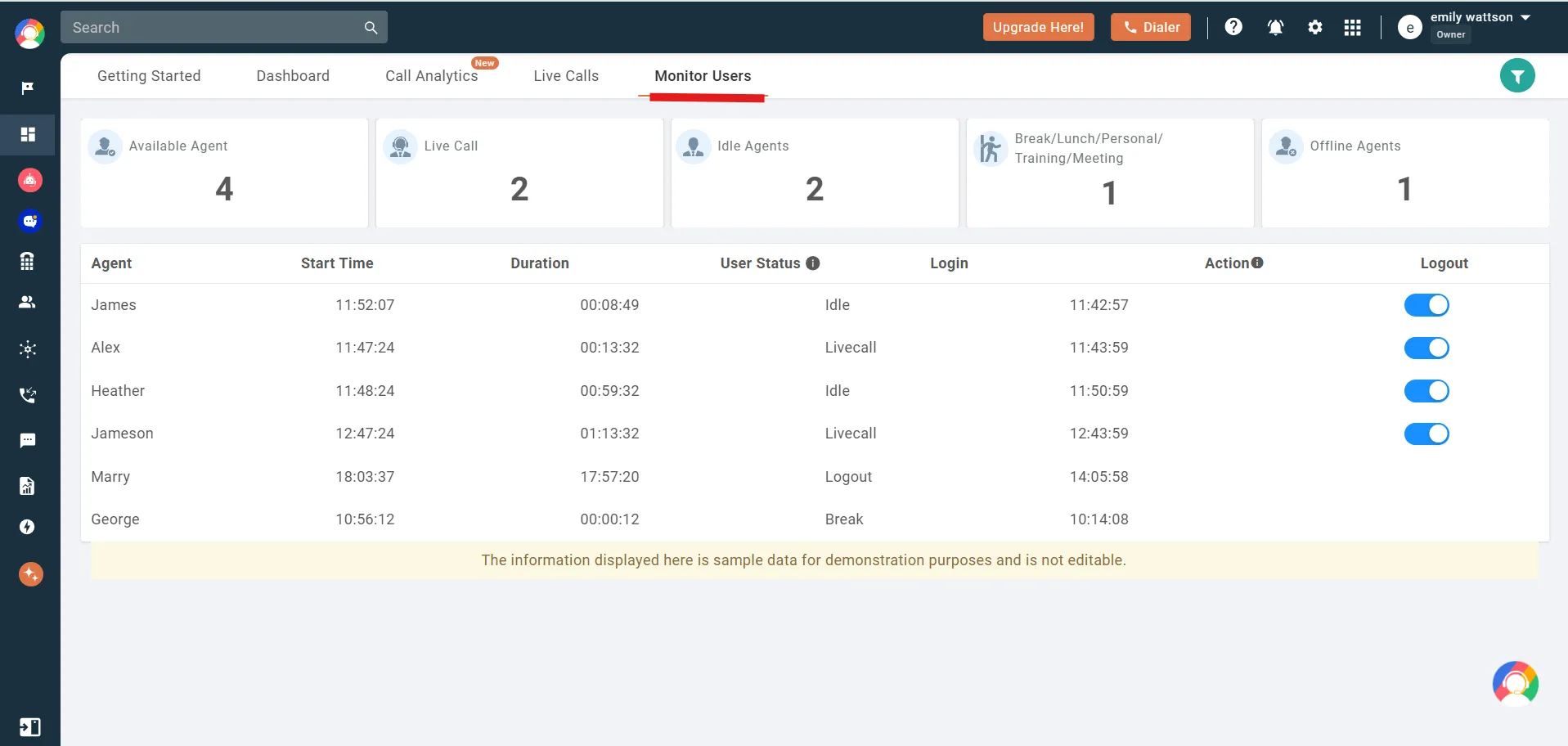
Busy hours can get overwhelming, but call center tools make them manageable. Call queues keep customers in a structured line instead of leaving them confused. Supervisors can guide agents in real time using CallHippo live tools. This leads to better support quality and keeps the team calm even when the volume increases unexpectedly.
6. Delivering Global Support Using International Numbers
Reaching global customers becomes much easier when they see a number that they recognize. International numbers help your business feel local in different regions. With CallHippo, teams manage global calls without complex routing. This creates a smooth and familiar experience for people across time zones.
Conclusion
Customer service and customer support may work differently, but they together shape how every customer experiences your brand.
One aspect guides people through everyday moments, and the other helps them when things go wrong. When both teams feel supported with the right tools, customers notice the difference.
They feel heard, understood, and cared for. And that is what turns a regular interaction into long-term trust.
FAQs
1. Is customer service more important than customer support?
Each aspect is significant in its own way. Customer service sets the tone for a customer’s experience and helps with common inquiries. When there is a technical issue, customer service intervenes. But to keep your customers satisfied and confident in your product, you would need both.
2. Are customer support and customer service the same thing?
They are definitely related, but not the same. Customer service guides customers through general questions. But customer support fixes the technical issues. Both teams work together to create a complete experience.
3. What are common mistakes businesses make in customer service?
Many teams reply too quickly without fully understanding the problem of the customer. Some share very long explanations to the customers that sometimes feel very confusing. Others pass customers between agents. This actually breaks the flow and creates frustration. Clear and patient help always works better.
4. What’s the difference between proactive customer service and reactive customer support?
Proactive service helps before a problem starts. This includes reminders or simple check-ins. Reactive support steps in after something goes wrong. Now both are important. Together, they make customers feel supported at every stage.
5. What skills are essential for customer service agents?
The most essential skills that the customer service agents need are patience and good communication skills. They also need to understand customer needs and stay calm during confusing moments. These skills help them guide customers without making them feel rushed. A skilled customer service representative can turn challenging situations into positive outcomes.
6. Which team handles upselling and cross-selling?
Most of the time, customer service teams handle upselling and cross-selling. They talk to customers often and understand their goals. So it becomes easy for them to recommend helpful upgrades without feeling pushy.
7. Can the same team handle both customer service and customer support?
Yes, a single team can handle both tasks, especially in smaller businesses. But for that, they need to have proper training and clear processes in place. As your company grows, it helps to separate the roles so each team can focus on what they do best.
8. Can AI replace customer support agents?
AI can help with quick answers and simple tasks. It can definitely guide customers through basic steps. But it cannot replace human support for complex or emotional situations. Customers still value a calm and understanding voice during difficult moments. Customer expectations often include the human touch that AI cannot fully replicate.
Explore this content with AI:
Published : December 12, 2025
Anant Berge is a B2B SaaS content writer who creates engaging, user-focused, and SEO-driven content for tech businesses. With a knack for simplifying complex ideas and a passion for storytelling, Anant crafts narratives that help brands connect with their audience through blogs and website content.

Let’s Stay in Touch
Subscribe to our newsletter & never miss our latest news and promotions.
 +24K people have already subscribed
Source