
 Updated : January 5, 2026
Sales call recording is a practice where the conversation between the sales team and the prospects or customers is automatically captured and stored securely. These routine customer interactions also allow businesses to better understand the,
- Customer requirements
- Individual agent performance
- Enhance their sales strategies
- Ensure legal compliance
Sales call recording allows businesses to know what words, and more importantly, what needs to be fixed. This way, they can deliver consistent customer experiences.
Why Do Businesses Need Sales Call Recording?
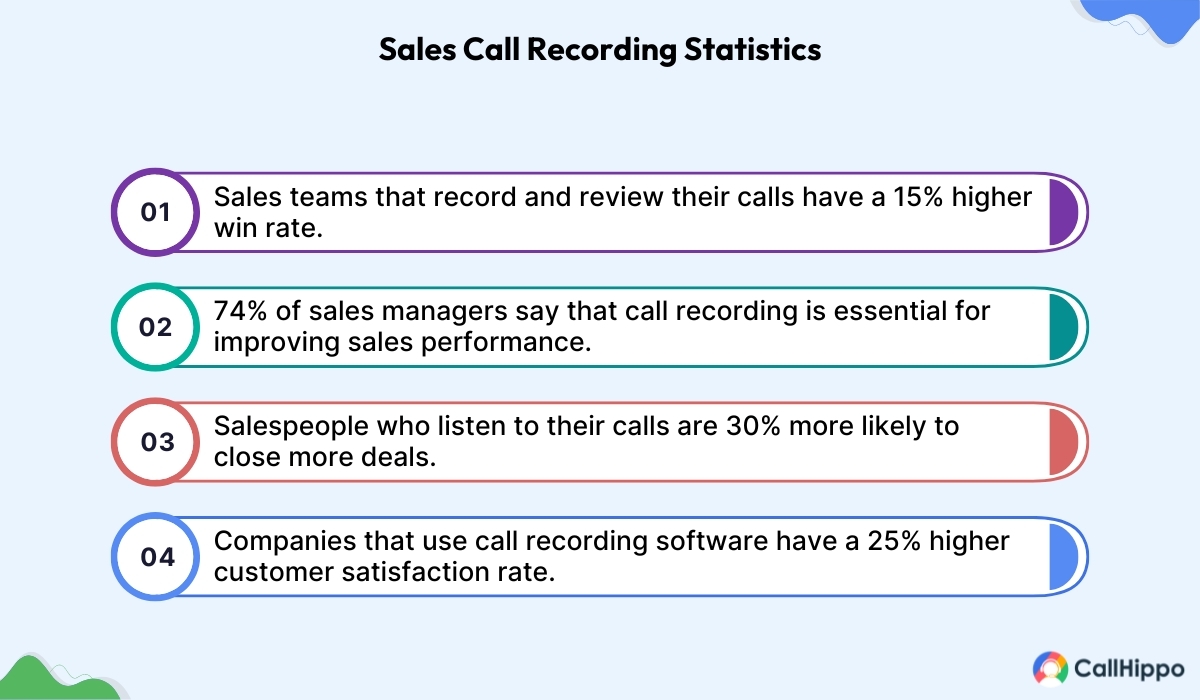
Recording the team’s sales calls can contribute to the continuous improvement of the sales process. It can even enhance customer satisfaction and drive better growth. In fact, as per a survey, 74% of businesses that use call recording experienced improved operational efficiency.
That said, here are five key reasons you should record sales calls.
1. Improve Training and Coaching
Sales conversation recording allows managers and coaches to evaluate the performance of sales reps and provide constructive feedback. They can identify areas where the rep excels and areas that need improvement. By reviewing recorded calls, sales managers can offer guidance on objection handling, closing techniques, and overall communication skills.
Here are some more ways sales call recording can help.
- Identify areas where the rep excels and areas that need improvement
- Offer guidance on objection handling, closing techniques, and communication skills
- Use recorded calls as examples during training sessions
2. Ensure Compliance and Avoid Disputes
In many industries, laws and regulations require certain disclosures or statements to be made during sales calls. Sales conversation recording helps businesses ensure compliance with these regulations and provides evidence in case of disputes or legal issues.
Here are some more ways sales call recording can help.
- Prove that required disclosures were made during the call
- Have a record of agreements and commitments made
- Protect the business from potential legal issues
3. Monitor Customer Experience
By analyzing the recorded conversations, companies can assess the tone, language, and overall engagement between their sales reps and customers. This enables them to enhance customer service, address any pain points, and optimize the overall customer experience.
Here are some more ways sales call recording can help.
- Analyze tone, language, and overall interaction quality
- Identify pain points and areas for improvement
- Use insights to enhance the overall customer journey
4. Capture Important Details and Information
During sales calls, crucial information such as customer requirements, pricing discussions, and agreements are often discussed. Recording these calls ensures that important details are not missed or forgotten, reducing the risk of miscommunication or misunderstandings.
Here are some more ways sales call recording can help.
- Ensure important details are not missed or forgotten
- Reduce the risk of miscommunication or misunderstandings
- Have a reference to go back to if needed
5. Analyze Call Data and Trends
Recorded calls can be transcribed and analyzed using speech analytics software. This can uncover insights into customer behavior, objections, and buying patterns. Organizations can leverage these insights to refine their sales strategies, scripts, and processes accordingly. Such analysis can shed light on customer preferences and buying patterns.
Here are some more ways sales call recording can help.
- Reveal valuable insights into customer behavior and objections
- Identify buying patterns and preferences
- Use data to optimize sales strategies, scripts, and processes
Suggested Read : How to Record a Call on Any Device?
Legal Requirements for Recording Sales Calls
Staying within the law boundaries is crucial when it comes to sales call recording. The regulations are in place to protect the privacy of every individual involved; not complying with them can land businesses in legal disputes. Here is what you must follow.
1) Call Recording Is Governed by State and Region-specific Laws
Call recording laws change based on the state, city, region, etc. This means if one practice is legal in one location, that same practice may not be effective in another. However, even though the laws may differ, for businesses, it is crucial that they comply with each and every law.
2) Consent Rules Differ Across Locations
The main aspect of call recording laws and regulations revolves around “Consent”. Jurisdiction mainly follows one of the two below-mentioned consent models.
One-party Consent: Only One Person Must Agree to Recording
One-party consent refers to calls that can be legally recorded even when only one participant in the call is aware of the recording. Also, consent from only one participant is enough to legally record calls. This one participant is most likely the business representative. However, even though legal, it is highly suggested to provide transparency to the customers.
All-party Consent: Everyone on the Call Must Agree
This regulation is a little stricter than the one we saw above. All-party consent requires all the participants, including the caller and the receiver, to be aware and provide consent to record calls. Recording without permission can lead to serious legal penalties.
3) Explicit Consent Must Be Taken Before Recording Any Call
Regardless of the location, explicit consent is the safest practice for businesses to remain compliant. The consent can be taken by verbally asking for permission to record calls. For example, you can use standard disclosure, “This call may be recorded for quality and training purposes”, to let customers know the call is being recorded. It builds transparency and trust.
Why is it a must to ask for consent?
- Factor 1: It builds Transparency.
- As 63% of consumers worldwide believe, companies are not transparent about how they use their data.
- Factor 2: Risk of losing customers.
- 48% of customers have completely stopped engaging with a business due to privacy concerns.
- Factor 3: Customers offer consent if asked.
- 58% of customers are comfortable with businesses using information in a transparent manner.
4) You Must Follow the Laws of Both the Caller’s and the Recipient’s State
When operating globally, you need to ensure that you follow the regulations of both parties involved. So, for example, the caller is from a country where only one-party consent is needed, but the receiver’s country requires all-party consent. So, businesses need to follow both. They have to ask the receiver for their consent before recording the call.
Best Practices for Recording Sales Calls
For businesses, recording calls can do wonders. It can be the best option for growth and training purposes. Here are the best practices that you must follow while recording calls.
1) Establish Clear Organizational Policies
Set internal policies that make it clear why call recording is crucial. You can start by answering the question such as,
- Why calls are recorded?
- When recording is allowed?
- How can call recordings be used?
- Why is it crucial to ask for consent before recording?
- What legal actions/penalties can businesses face if they do not comply with the needed regulations?
Being aware of each and every policy can keep businesses safe from legal actions and improve their reputation among customers.
2) Use Authorized, Secure Sales Call Recording Software
As a business that needs to build a great reputation and a loyal customer base, it is important to opt for the best software for call recording. A software that offers encryption, controlled access, audit logs, and secure storage. This helps businesses keep all the sensitive information safe. CallHippo is one such software that ensures compliance, enhances customer experience, and keeps sensitive data safe and secure.
3) Notify Customers Before Call Recording
It is non-negotiable to offer transparency to customers. As a business, it is your responsibility to inform customers that the call is being recorded at the very beginning. If needed, you might even have to explain why recording calls is necessary. And only when the customer gives permission, you can record the call.
4) Maintain Confidentiality & Secure Data Handling
Call recording might be subject to great risk if the data gets leaked, as it might contain sensitive information related to customers. To ensure confidentiality and security, only the authorized personnel should have access to those records. Also, regular audits and strict data management can prevent leaks, keeping the data safe.
5) Respect Customer Preferences (Opt-out Options)
Asking for customer consent or permission is one thing, and respecting it is another. As a business, this both comes under your responsibility. You don’t just have to ask for consent, you have to respect it as well. You must also offer customers the option to opt out. Respecting customer preferences strengthens relationships.
Effective Methods for Recording Sales Calls
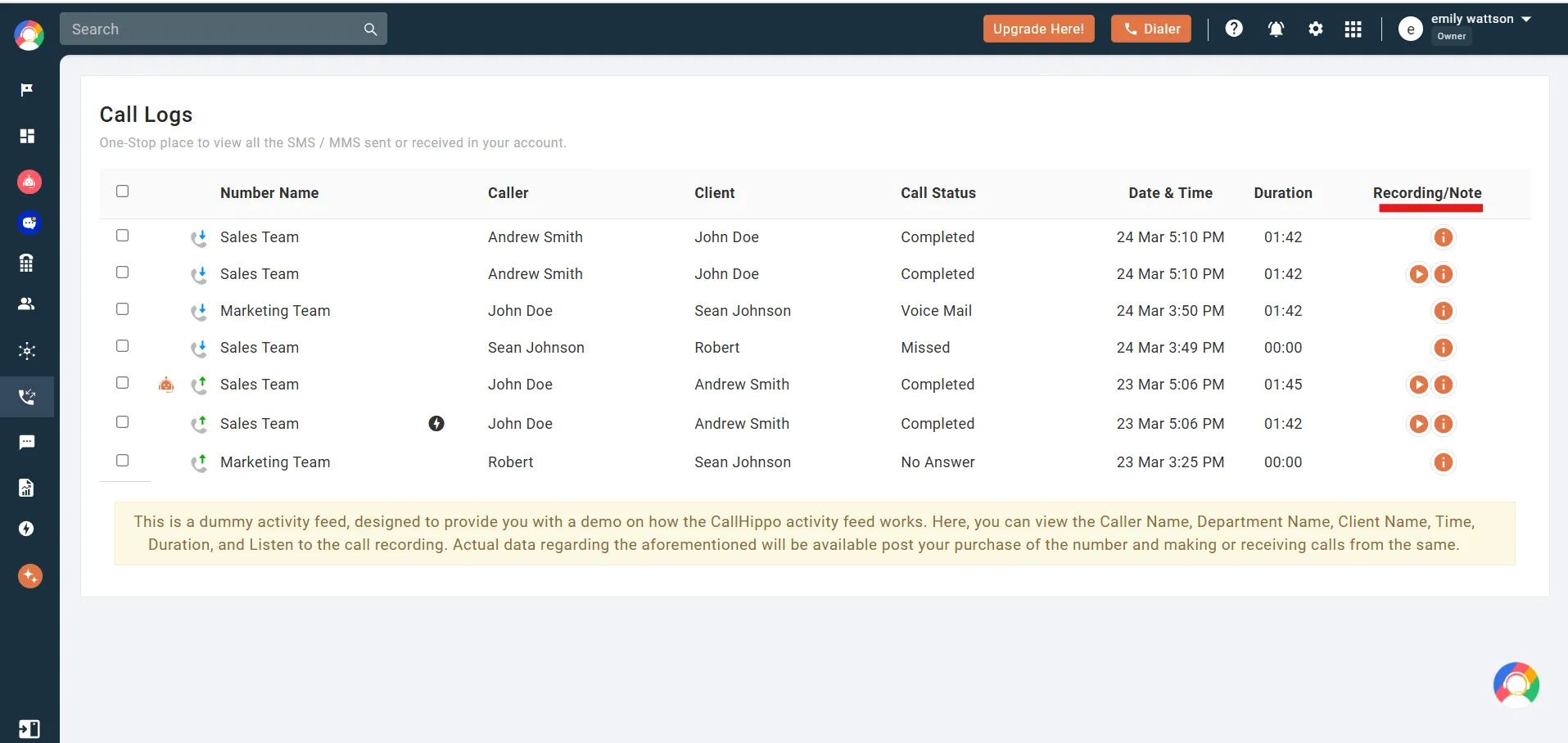
Virtual phone system providers like CallHippo offer call-recording features so you can record business calls in various ways to meet your specific needs. Let’s understand how to record sales calls in detail.
1. Automatic Call Recording
This feature automatically records all incoming and outgoing calls without requiring any manual intervention from the sales reps. The recording starts as soon as the call is answered and ends when the call is terminated, ensuring that no part of the conversation is missed.
Use Case: Ideal for businesses that want to record every single call for training, compliance, or record-keeping purposes.
2. On-demand Call Recording
On-demand recording gives sales reps the flexibility to initiate call recording on a per-call basis with just a click of a button or by dialing a specific code. This feature is particularly useful when you want to record certain important calls selectively, such as calls with high-value prospects or final negotiations, without recording every single call.
Use Case: Useful when you only want to record certain important calls, like calls with high-value prospects or final negotiations.
3. Manager-initiated Recording
With this feature, managers or managers can remotely initiate recording for any call involving their team members. This is done without the need for the sales rep to take any action, allowing managers to selectively record calls handled by specific reps they want to coach or evaluate without the rep’s involvement.
Use Case: Enables managers to selectively record calls handled by specific reps they want to coach or evaluate without the rep’s involvement.
4. Conference Call Recording
This feature enables you to record all conference calls with multiple participants, capturing every voice on the call. The recording starts as soon as the first participant joins the conference and continues until the last person leaves, ensuring that no part of the multi-party conversation is missed.
Use Case: Ideal for recording important meetings, product demos, or negotiations involving multiple stakeholders.
5. Video Meeting Recording
In addition to recording audio, you can also record video feeds from all participants in a video conference or meeting. It captures not only the audio conversation but also the visual elements, such as presentations, screen shares, and nonverbal cues, providing a comprehensive record of the entire virtual meeting.
Use Case: Useful for recording video sales presentations, product demos, or training sessions where visual aids and screen shares are involved.
Key Benefits of Recorded Sales Calls
Recorded sales calls can prove to be an asset for businesses. They provide key insights, clarity, and consistency needed for better operations. Here are the benefits that businesses can gain by recording sales calls.
1) Benefits For Sales Managers
Full visibility into customer conversations is the main benefit that sales managers gain from recorded calls. It helps them,
- Evaluate the entire team’s performance objectively
- Identify coaching opportunities and skill gaps
- Provide necessary training to the representatives
Managers do not have to strategize based on assumptions, instead they can use the sales conversation recordings. They can identify,
- The winning scripts and tactics agents use
- Understand why deals are lost
Call recording allows the managers to keep their team consistent in delivering desired results.
2) Benefits For Sales Representatives
Call recordings can work as a coaching library for sales reps. To improve their sales performance, they can review their past conversations with the customer. They can,
- Check their tone
- Recall key details
- Analyze customer pain points
- Check their issue-handling method
- Evaluate their closing sales technique
This way, sales reps can evaluate customer conversation insights to learn faster and improve their deal-closing skills.
3) Benefits For Product Marketing Teams
Product marketing teams get direct access to the voice of the customer. Recorded sales calls reveal,
- Real objections
- Feature requests
- Competitor mentions
- Buying motivations
This helps the product marketing team to refine their positioning and create better content that drives more sales. They can convey the message that aligns the product with the actual market requirements.
4) Operational & Business Benefits
Sales call recordings help businesses to improve quality assurance and comply with regulatory standards. They keep the businesses safe from legal disputes. And over time, sales call recordings can also result in enhanced customer experience and predictable growth.
Top Sales Call Recording Software
Choosing the right call recording platform can transform how your organization captures, analyzes, and acts on real customer conversations. Here are the three best sales call recording solutions.
1) CallHippo
CallHippo is a cloud-based VoIP phone and call management platform. It is a solution built to assist sales and support teams in improving their productivity and delivering better results to customers.
It offers call recording features that make it easy for businesses to comply with global regulators. Software such as CallHippo simplifies the call recording process. It records calls automatically and stores them safely. CallHippo’s call recording system works seamlessly by integrating with the CRM. This makes accessing the recorded calls even easier. Its enhanced security also helps businesses to provide role-based access, so no unauthorized person can access the call records.
CallHippo’s professional and ultimate plans include the call recording feature. The professional plan is the most popular one, costing $29 per user/month. At the same time, CallHippo’s ultimate plan costs $45 per user/month.
Turn Conversations into Conversions
- Capture Insights
- Coach Teams
- Close Deals
- CRM Integration

2) Nextiva
Nextiva is a robust unified communications and VoIP platform. It combines voice, messaging, and contact center features. It provides built-in call recording as part of its business phone system.
Nextiva’s call recording feature allows businesses to capture and store all incoming and outgoing calls. To comply with the consent regulations, it allows businesses to set up automated call recording announcements to inform customers about the recording. The recordings can be easily downloaded with the help of the Nextiva Call Recording application.
Nextiva offers a basic voice recording feature in each of its packages. However, many other features, such as advanced analytics, omnichannel support, etc., might not be present in Nextiva’s basic plans. To avail the advanced features, businesses might have to opt for the higher-tier premium package.
3) Gong.io
Gong is a conversation intelligence platform. It automatically transcribes each and every call. With its enterprise-grade capabilities, it helps businesses to measure performance, identify patterns, and improve sales rep skills.
Gong goes beyond the basic call recording. It converts the call recording into actionable insights that can prove to be the next-best action to improve efficiency. It also allows businesses to search and filter phone calls based on different factors.
Gong’s pricing is custom and quote-based, depending on team size and organizational needs. It tends to be a premium solution, often involving a base platform fee plus per-user licenses.
Key Features to Look for in Sales Call Recording Software
The right sales call recording software combines recording with intelligence, security, and compliance. Here are a few features that, when combined with call recording, give tremendous results.
1) CRM Integration
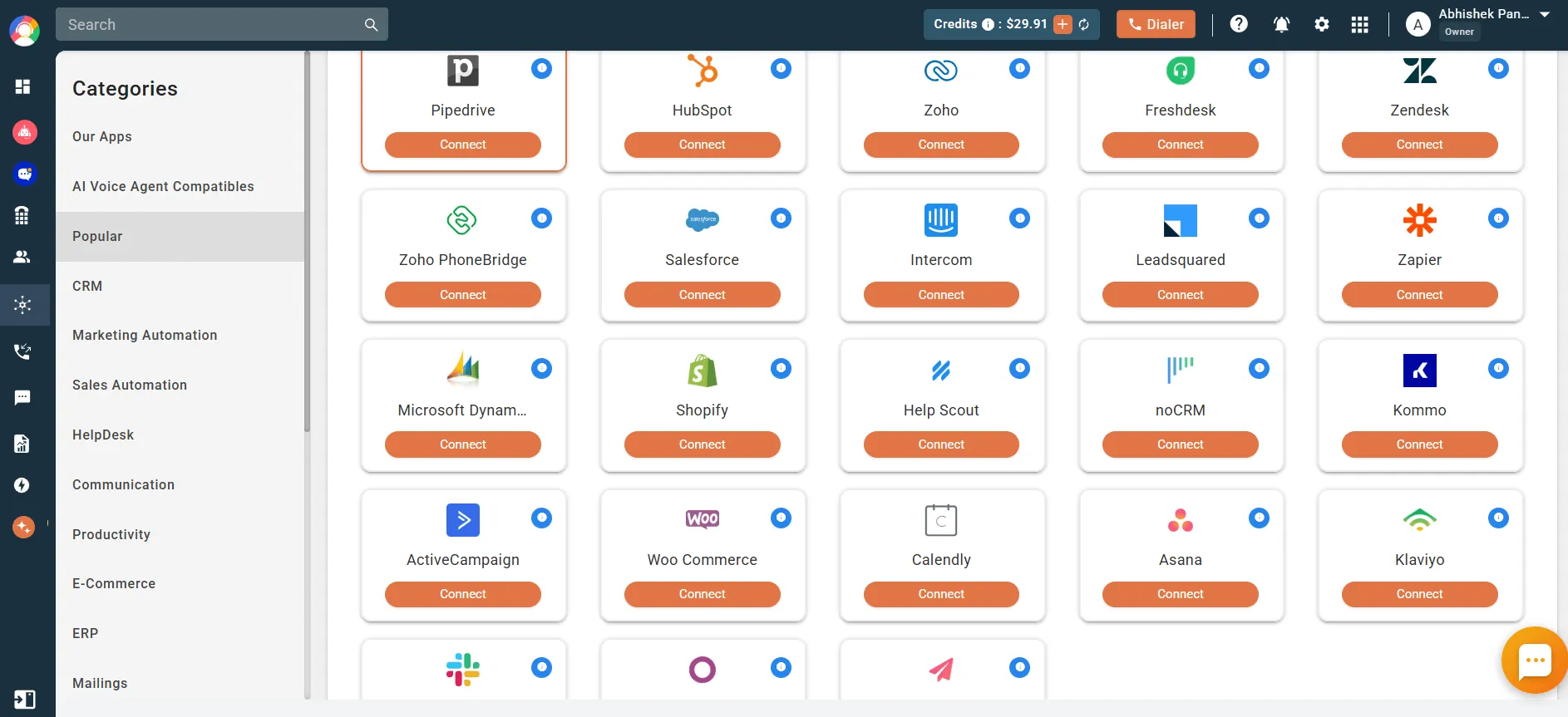
Link every call with the right lead or contact by integrating call recordings with your existing CRM. This gives the sales team total context. This combination ensures call insights directly support forecasting, follow-ups, and deal progression.
2) AI Transcription & Automated Analysis
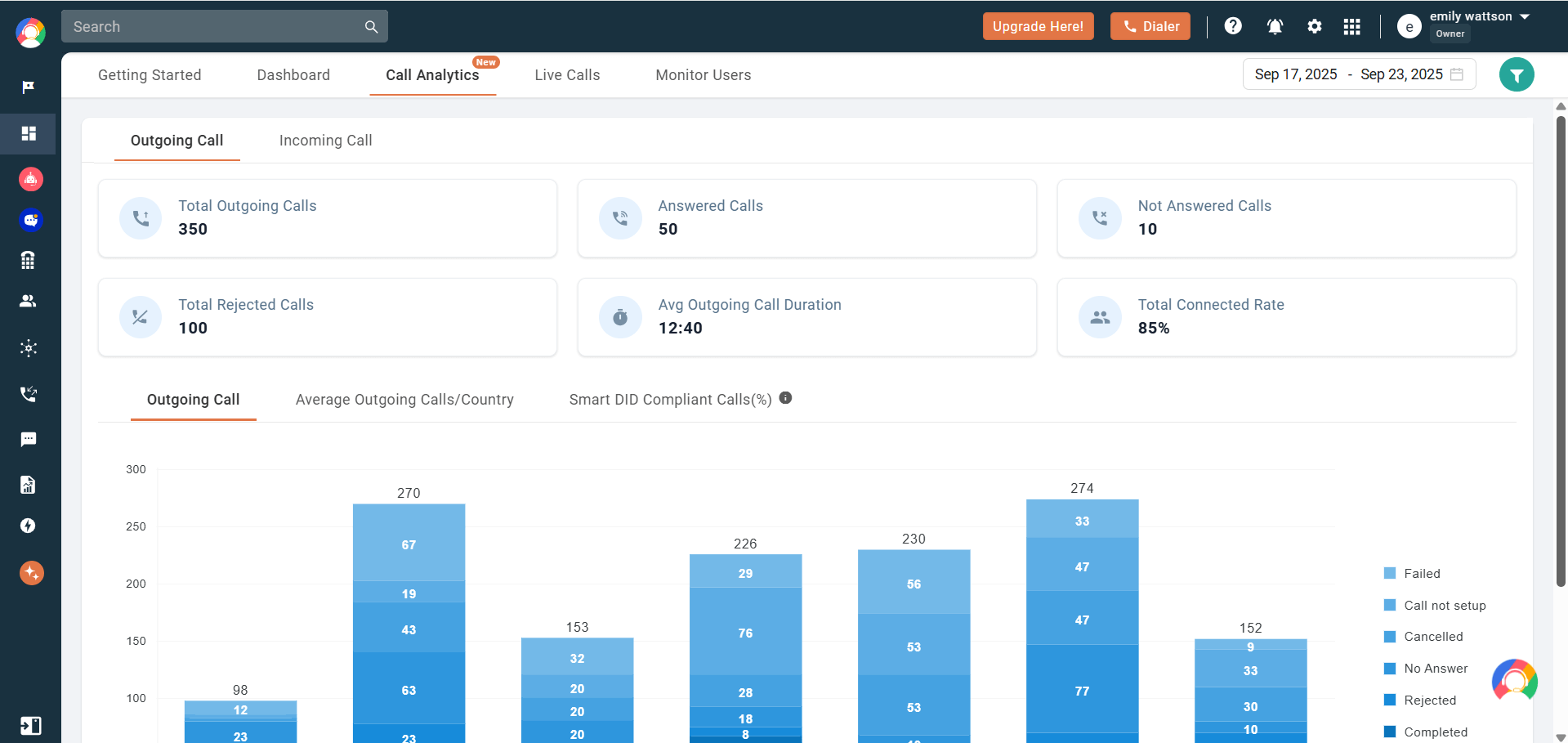
AI-powered transcription converts recorded sales calls into accurate, searchable text within seconds. This removes the need for manual note-taking. Teams can review conversations faster. Call recording and AI-driven insights can help teams capture all minute details.
3) Keyword Tracking & Conversation Intelligence
Keyword tracking can help businesses identify crucial words, phrases, or topics. Sales leaders can monitor how often competitors, pricing, features, or objections come up across calls. Conversational intelligence reveals the customer behaviour patterns. This makes recorded calls a powerful source of insights for improving scripts, messaging, and sales strategy.
4) Sentiment Analysis & Tone Insights
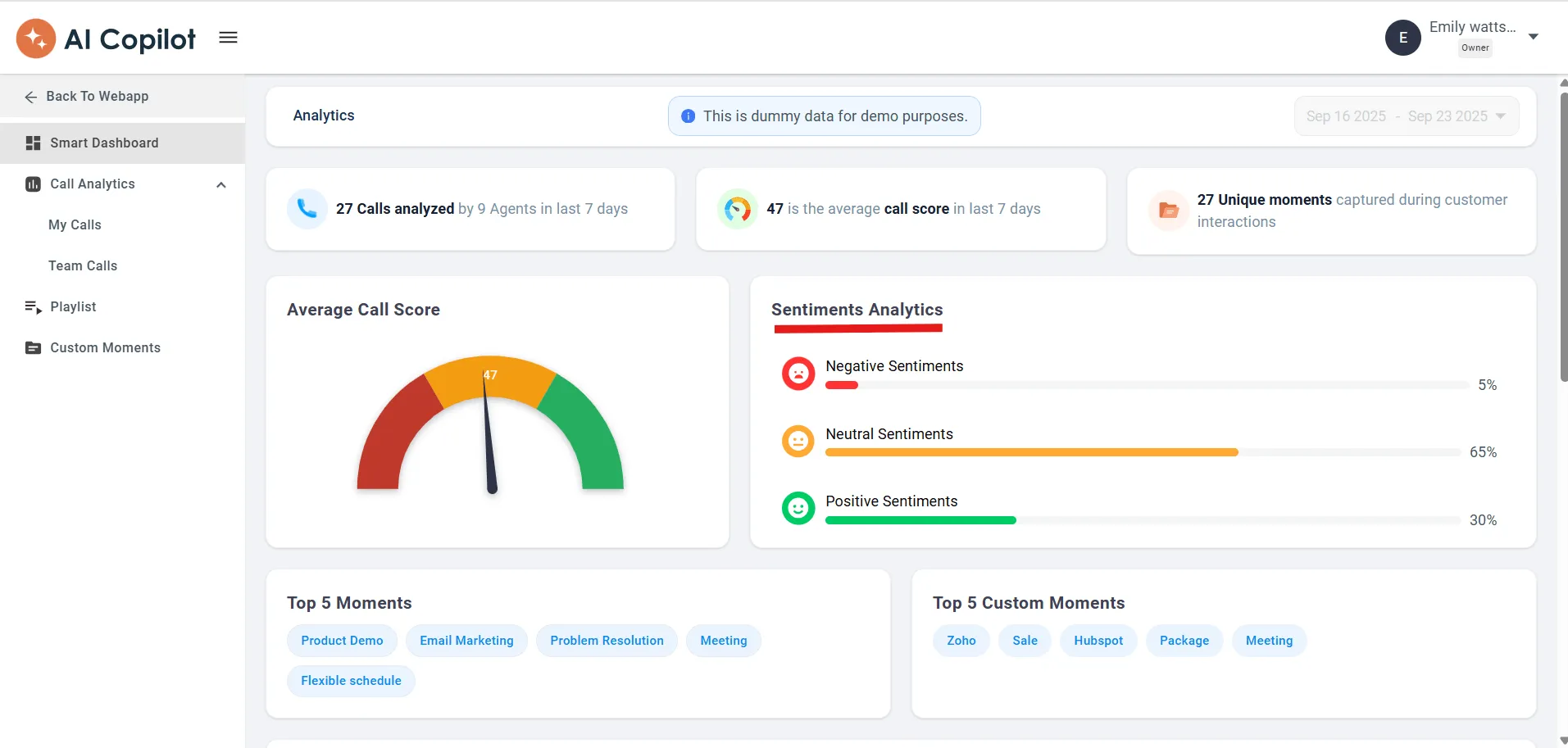
Sentiment analysis evaluates recorded calls to understand customer tone, emotion, and engagement levels. Sales reps can not just come to know about “the what” but “the how” as well. What the customer said and, more importantly, how the customer said. It becomes easy to know whether the customer sounded interested, hesitant, or frustrated. The sentiment analysis leads to meaningful conversations and stronger relationships.
5) Data Management, Storage & Security
Sales call records are more likely to contain sensitive data. Not just of customers but your sales reps as well. This makes it a necessity to handle the data securely. Strong data management features ensure that the call recordings are encrypted, accessed by only authorized persons, and stored safely. This keeps valuable call data usable and compliant.
6) Compliance & Consent Settings
Built-in compliance and consent settings ensure calls are recorded legally and responsibly. When combined with sales call recording, they reduce legal risk and ensure privacy standards are met. This allows teams to focus on performance and growth without worrying about compliance issues.
Alternate Option to Sales Call Recording
While recording sales calls can provide valuable insights and ensure compliance, some businesses may prefer alternative approaches due to privacy concerns, legal restrictions, or operational preferences. These alternatives can offer similar benefits while addressing specific organizational needs or limitations.
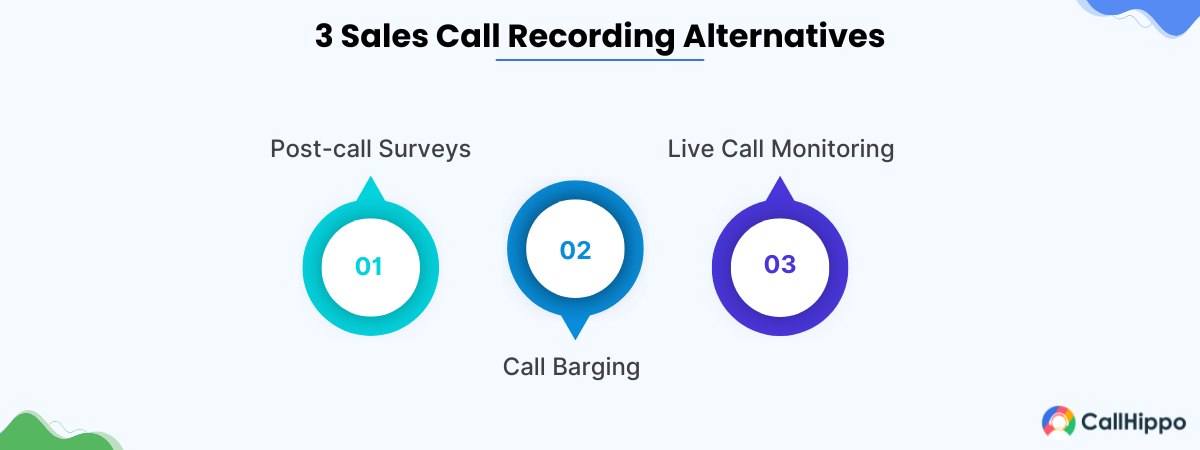
1. Post-call Surveys
Post-call surveys involve sending a brief questionnaire to customers after a sales call to gather feedback on their experience. This approach allows businesses to capture customer sentiments and insights without the need for recording the actual conversation. Customers can anonymously provide ratings and comments on various aspects of the call, such as the sales rep’s knowledge, communication skills, and overall satisfaction.
2. Call Barging
Call barging is a feature that allows managers or managers to silently join an ongoing sales call without interrupting the conversation. This approach enables real-time monitoring and evaluation of the sales rep’s performance without the need for recording. Managers can observe the rep’s handling of objections, product knowledge, and overall communication skills and provide immediate coaching or feedback if necessary.
3. Live Call Monitoring
Similar to call barging, live call monitoring allows managers or quality assurance teams to listen in on sales calls as they happen. However, instead of silently joining the call, they can observe the conversation through a separate channel or interface. This approach enables real-time monitoring and analysis of the sales process, customer interactions, and adherence to scripts or protocols without the need for recording.
How to Implement Sales Call Recording in Your Organization Using CallHippo Features?
CallHippo makes it simple and straightforward to implement sales call recording. With the correct setup, training, and automation, businesses can easily turn everyday calls into measurable performance improvements.
1) Set Up Workflow & Tools
The very initial step is to enable call recording and define what type of calls need to be recorded. Connect CallHippo with your CRM. This way, the call recordings can be automatically linked to the right contacts. This makes sure each sales call is captured, organized, and stored securely.
2) Train Reps on Compliance & Scripts
Train your sales representatives on when and how call recording happens. This includes the consent requirements and legal guidelines. Use CallHippo’s recorded calls to standardize scripts, greetings, and objection-handling approaches. Clear training helps reps stay confident and consistent.
3) Use AI to Automate Insights
Use CallHippo’s AI-powered features to analyze recorded calls automatically. Keyword tracking and performance metrics help businesses identify common objections. This way, automation helps reduce manual work. It also allows managers to coach reps faster.
4) Create a Customer Feedback Loop for Continuous Improvement
Use recorded calls to capture genuine customer feedback.
- What prospects like?
- Where do they hesitate?
- Why do deal closures stall?
Share these insights with sales teams to enhance messaging and adjust sales strategies. By continuously learning, CallHippo helps create a feedback-driven sales process.
Make Every Sales Call a Success
Every single sales call is an opportunity that businesses must embrace to build trust and bag the customer for life. With the right sales call recording strategy, businesses can strengthen compliance. Businesses can use call recording software such as CallHippo to gain better outcomes. It empowers sales managers to coach effectively. It also helps reps sell with confidence.

Sell Better, Grow Faster
Record, analyze, and optimize every sales call with CallHippo’s secure call recording.
bottom circle
FAQs
1)Is It Legal To Record Sales Calls?
The legality of recording sales calls varies globally based on regional and national laws. Some regions allow recording with one party’s consent, while others mandate all parties’ consent. Therefore, it’s crucial for businesses to research and comply with the specific call recording regulations in the jurisdictions where they operate.
2) How Long Should I Keep Recorded Sales Calls?
There is no universal guideline for how long businesses should retain recorded sales calls. The appropriate retention period depends on various factors, including legal requirements, industry regulations, company policies, and the specific purpose of the recordings. You should consult with legal counsel and industry experts to determine an appropriate retention policy that aligns with your specific needs and legal requirements.
3) How can recorded sales calls improve sales performance?
By recording calls, businesses can identify effective sales scripts, skill gaps, etc. Managers can evaluate their team’s performance and can coach the sales reps accordingly. This results in sales reps working more effectively and closing deals faster.
4) Are recorded sales calls stored securely?
Yes, if you are using a reliable call recording software. Using a reliable software such as CallHippo ensures that the data is encrypted, the access is only given to authorized personnels and the data is stored securely on the cloud.
5) How long should we keep recorded sales calls?
It totally depends on the laws and regulations, and also your business needs. 30–180 days is the standard time period followed by many organizations across the globe to keep recorded sales calls.
6) How do I notify customers that their call is being recorded?
Businesses can set up an automated announcement to let customers know that the call is going to be recorded. For example, an automated announcement such as, “this call might be recorded for quality purposes” can be used to notify customers about the call recording.
7) How does recording sales calls support customer experience teams?
Call recordings make it easy for sales teams to gain direct insight into customer concerns, expectations, and pain points. This helps businesses improve service quality, resolve issues faster, and create more personalized experiences for customers.
8) What are common mistakes companies make when recording sales calls?
The most common error that businesses make is not asking for consent. Apart from not asking for consent, poor data security, and not auditing recordings regularly are also a few common errors made by businesses.
9) What is the difference between call recording and conversation intelligence?
Call recording captures and stores conversations. While conversation intelligence analyzes those recordings using AI to surface insights like sentiment, keywords, trends, and performance metrics that drive smarter sales decisions.
Explore this content with AI:
Published : January 5, 2026
Harsh Bairagi is a B2B SaaS content writer with over 4 years of experience in the tech industry. Harsh believes in creating good copies to bridge the gap between tech and emotion. When not chasing clean copy or clever metaphors, he is busy catching up on his favorite sports.

Let’s Stay in Touch
Subscribe to our newsletter & never miss our latest news and promotions.
 +24K people have already subscribed
Source